
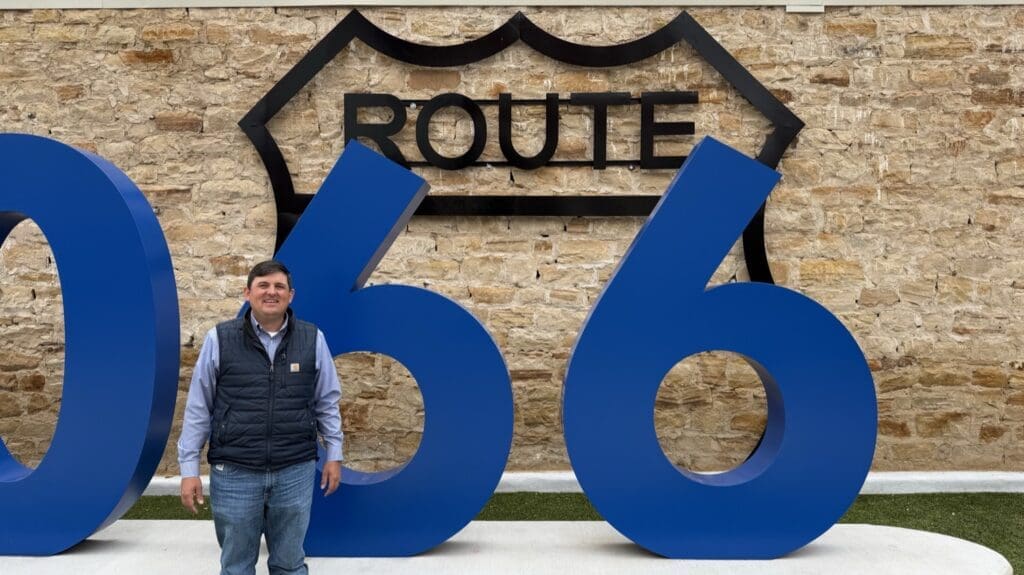

Standing just off the campaign trail, State Labor Commissioner candidate John Pfeiffer describes himself in a way that’s unusual for a politician: “boring.” But for Pfeiffer, that’s not an insult—it’s the whole point of why he believes he’s the right fit to lead an agency that, in his words, “doesn’t make the news a lot” but quietly keeps the state running.
Pfeiffer, who spent 12 years in the Oklahoma House of Representatives representing District 38, a stretch that runs “from Guthrie to Kansas up and down I-35” across parts of Logan, Noble, Garfield, Grant, and Kay counties, says his career has been defined by solving practical problems that don’t always grab headlines. For nine of those years, he served as Deputy Majority Floor Leader, working across chambers and branches of government to move legislation forward.
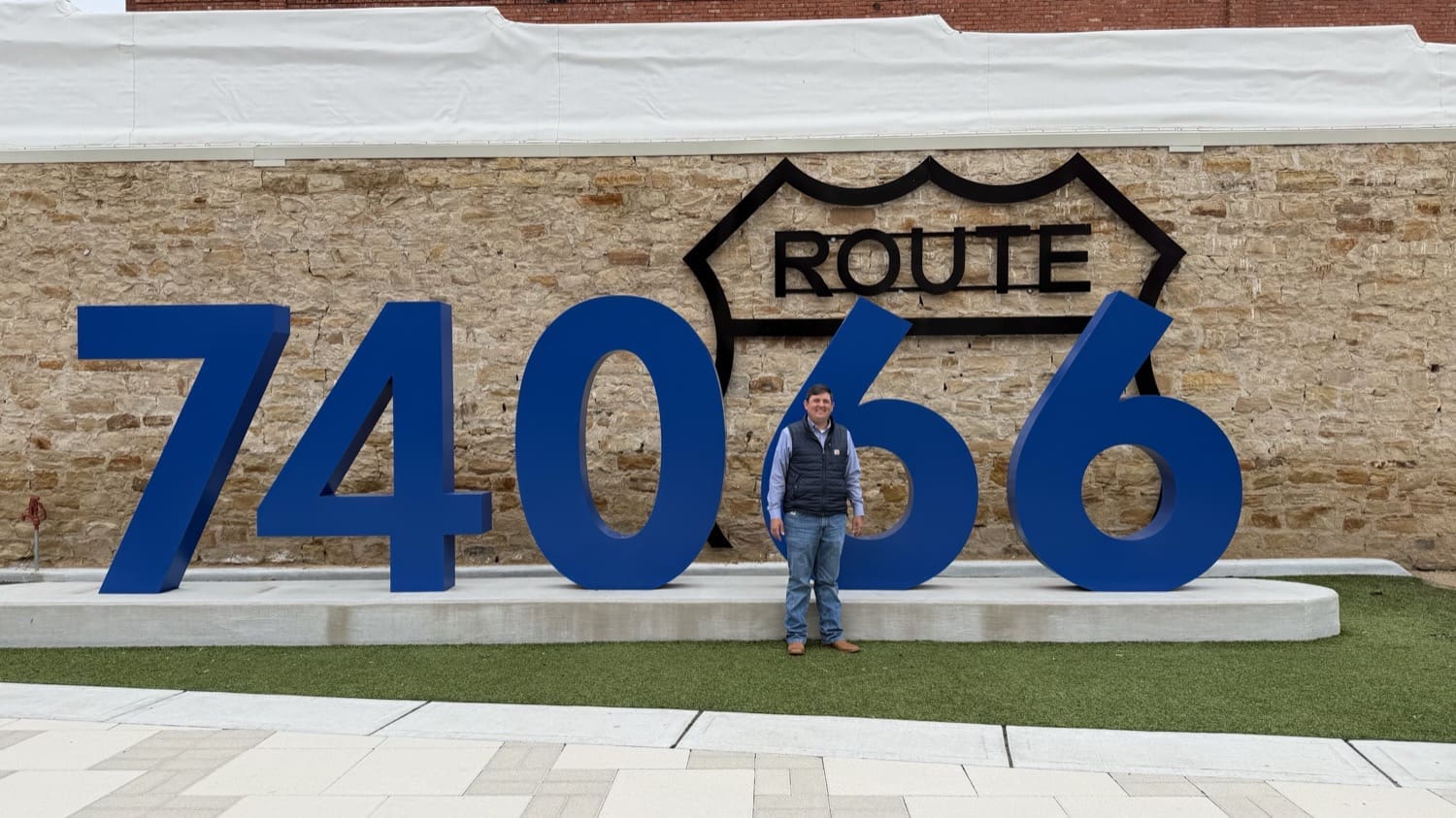
His wife, he notes with a smile, jokes that he’s the kind of person who just wants to do his job and then go home. The Labor Department, he says, is exactly that kind of place.
“The Labor Department’s kind of, you know, that fits me,” Pfeiffer says. “It doesn’t make the news a lot, but it’s there to just do their job, get the things done, move the state forward, and then go on back home.”
Pfeiffer is running to succeed current Labor Commissioner Leslie Osborn, who has served eight years and is term-limited. He’s quick to praise Osborn’s tenure, saying she has “done a great job,” and frames his candidacy not as a repudiation but as a continuation and expansion of her efforts—especially around modernization.
One of his main priorities is to bring the department firmly into the 21st century, particularly when it comes to occupational licensing. Right now, he says, many license renewals still require people to drive into an office in Oklahoma City and handle the process in person.
“It’s 2026,” Pfeiffer says. “There’s no reason that if you need to renew your license and you’re in good standing and meet all the qualifications, you have to drive into an office in Oklahoma City to do that.”
The Labor Department’s work, Pfeiffer explains, is far broader than many realize. Over the last 50 years, he says, the legislature has handed the agency a “hodgepodge” of responsibilities: inspecting and regulating elevators, amusement park rides, and boilers; licensing certain occupations such as locksmiths; running the state OSHA program; and handling payroll protection, among other tasks.
“It’s pretty much anything the legislature didn’t know what else to do with,” he quips.
Pfeiffer also emphasizes the importance of interoffice relations and communication, an issue that has surfaced in other statewide offices. The Labor Department is structurally unusual: it’s part of the executive branch, but its leader is elected by the people, not appointed by the governor.
That structure, Pfeiffer says, means the commissioner must be skilled at collaboration. Drawing on his legislative experience, he points to years of working “across the rotunda” with the Senate and with the executive branch to get things done. He quotes Ronald Reagan:
“It’s amazing how much you can get accomplished when you don’t care who gets the credit.”
“That’s what I’ve tried to do,” he adds. “As long as we’re solving problems and making things better, then I don’t care who does a press release on it.”
Looking ahead, Pfeiffer sees artificial intelligence as one of the most significant forces that will reshape both labor and government. He believes AI can help save taxpayer dollars and improve efficiency in state agencies, but says it must be implemented carefully.
He predicts that white-collar jobs will feel the impact first. For government, he says, the task is to react wisely rather than trying to predict and control every technological shift.
“Every time we try to second guess what technology is going to bring, we inevitably guess wrong,” Pfeiffer says. Instead, he argues, the Labor Commissioner should work closely with businesses, ensure the public is protected, and avoid overregulation that could stifle innovation.
Ultimately, Pfeiffer roots his run for Labor Commissioner in something deeply personal: his family. He has a young son—“he’ll be five tomorrow,” Pfeiffer notes—and says his goal is to help ensure the next generation can build a life in Oklahoma, just as he has.
“I want to continue to make the state better,” he says. “I’m running mainly to make sure that my son has the same opportunities; to have a career, start a business, raise a family here in Oklahoma. And this is where I think I can do the best job of doing that.”